Cable Tray Roll Forming Machine
Cable Tray Roll Forming Machine
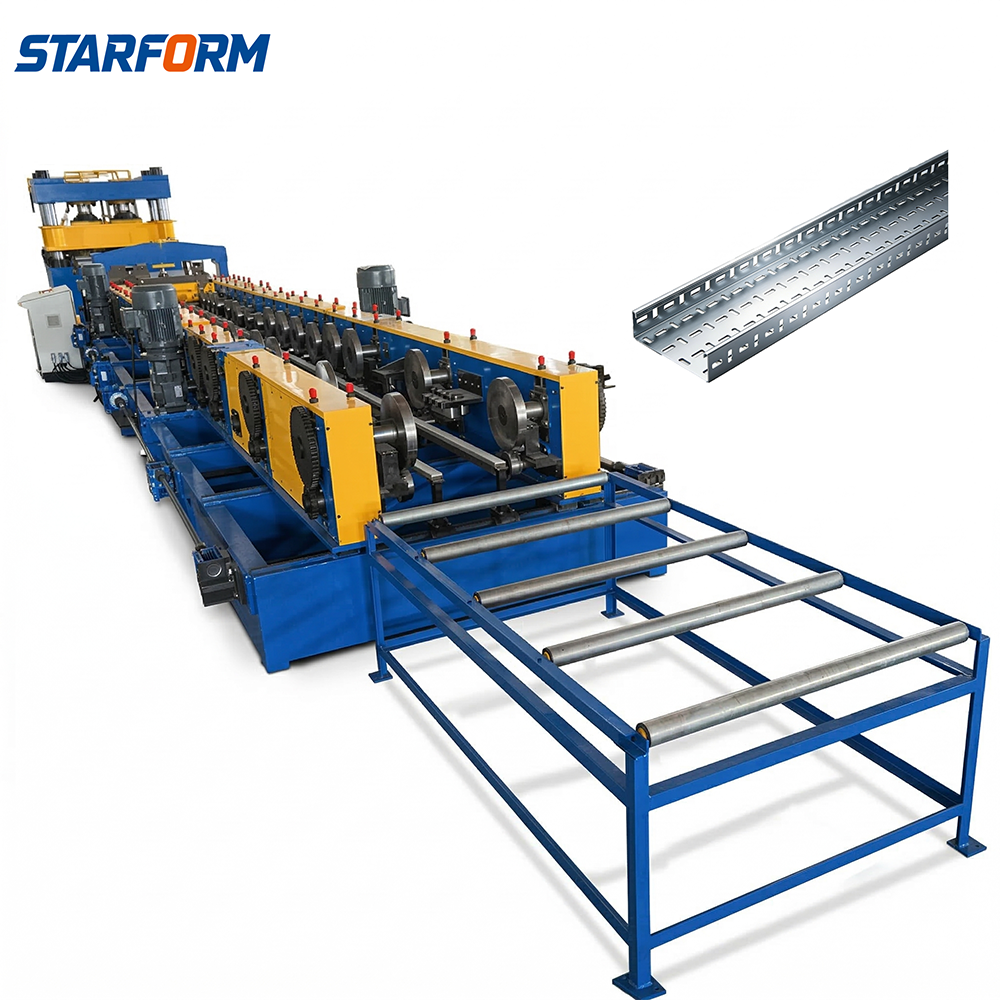
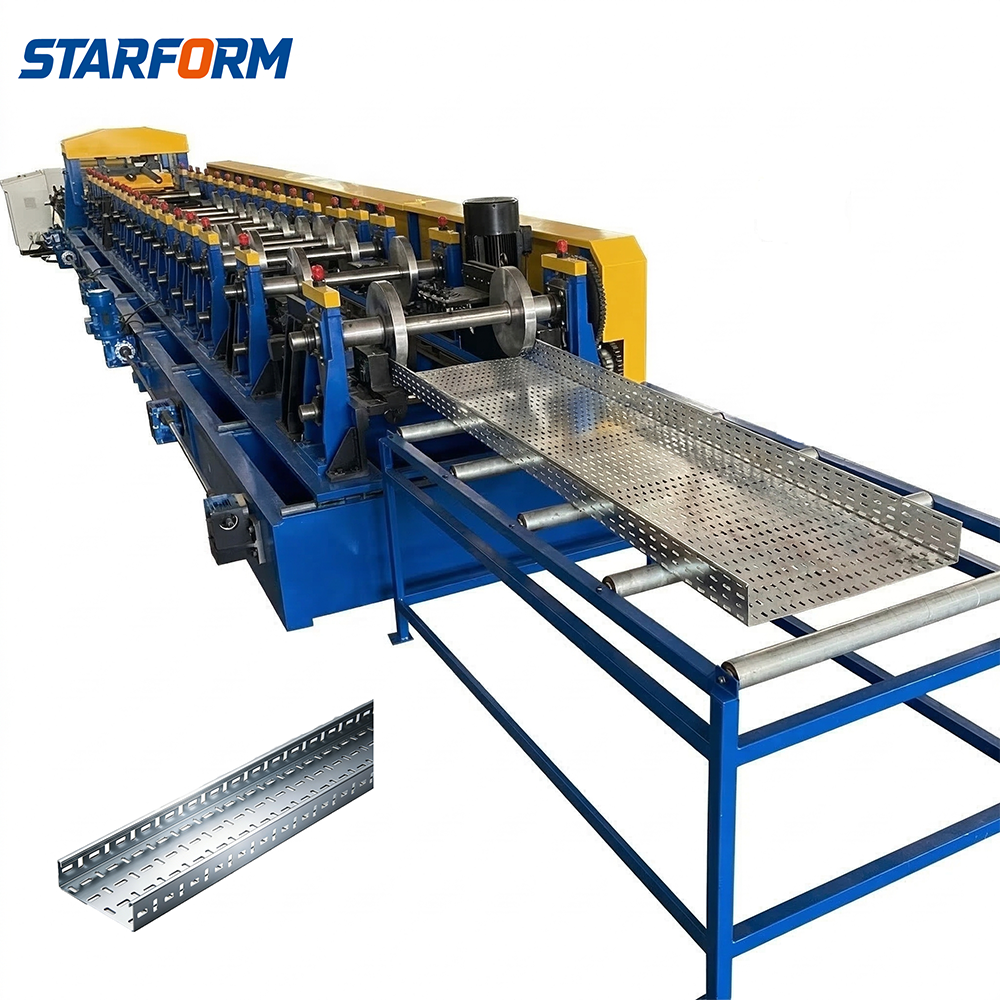

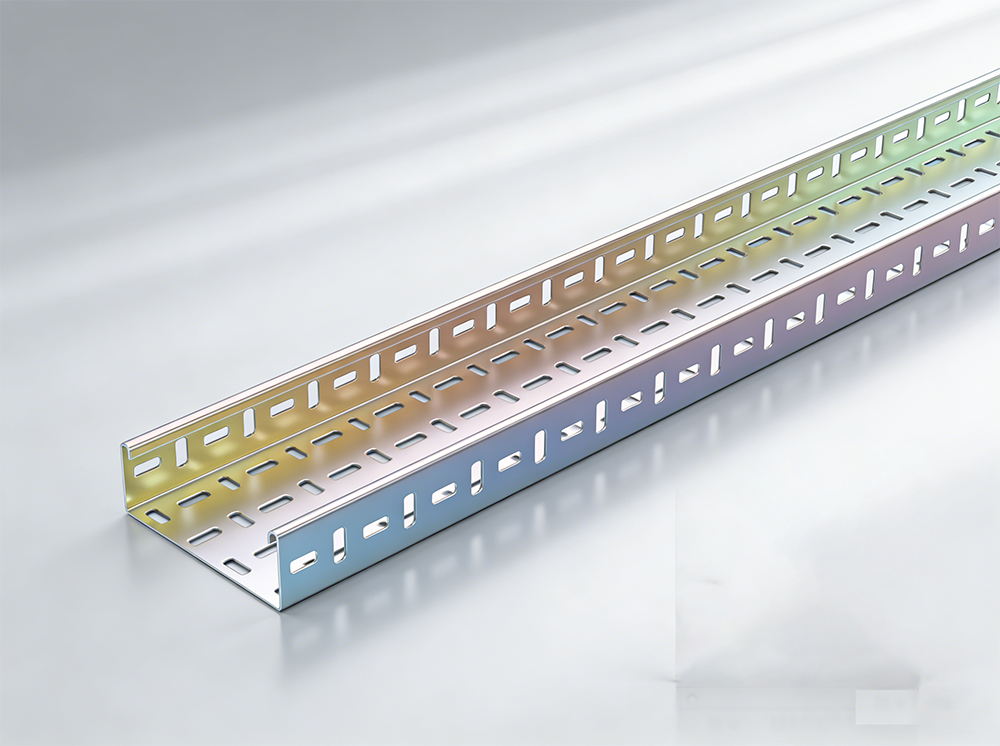
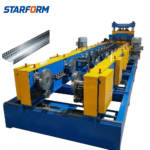
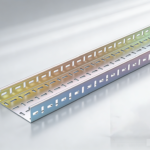
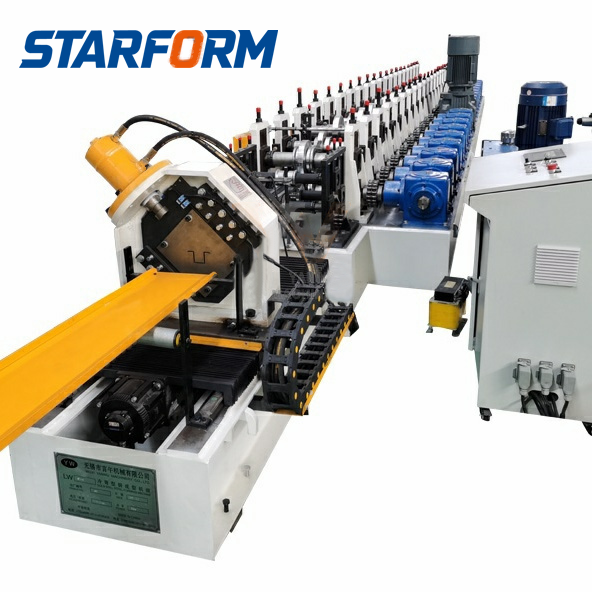
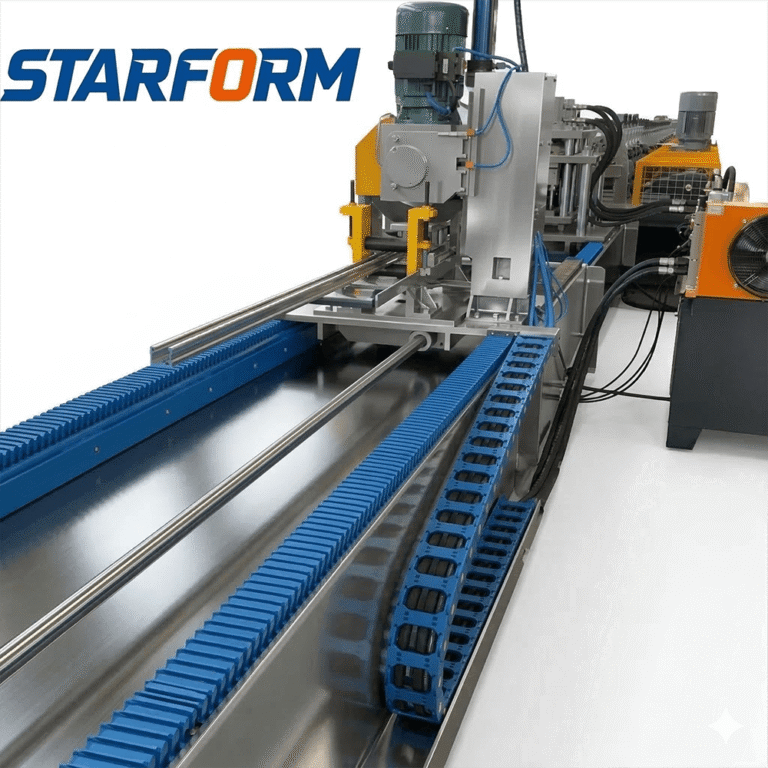
A cable tray roll forming machine is a set of industrial equipment used to produce cable tray systems from metal coils. It shapes metal sheets into various tray profiles through a continuous bending process, offering high efficiency and precision for cable management in construction and industrial projects.
A cable tray roll forming machine is a set of industrial equipment used to produce cable tray systems from metal coils. It shapes metal sheets into various tray profiles through a continuous bending process, offering high efficiency and precision for cable management in construction and industrial projects.
Main technical details of Cable tray roll forming machine
| Product Material | Material Thickness | Forming advantage |
| GI coils | 1.5-2.0mm Optional | Bearings inside rollers |
| Precision | Drive System | Form speed |
| ±1.0mm | Servo Motor Driven | Up to 20m/min |
| Control System | Roller material | Cutter material |
| Mitsubishi PLC | Cr12MoV | Cr12MoV |
| Chain standard | Transmission system | Screw bolts |
| 24A-01 | T-box gear | Grade 8.8 |
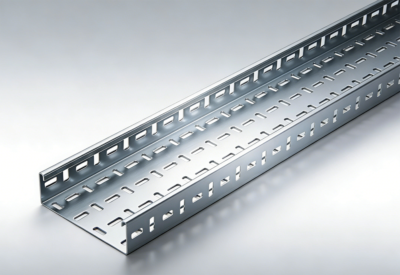
Cable made out of machine
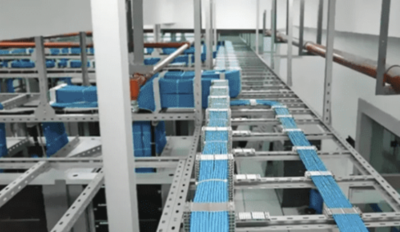
Application


RFQ
1. How cable tray roll forming machine Works (The Production Process)
The transformation from a metal coil to a finished cable tray is a continuous, automated process. A typical production line consists of several key stages:
Decoiling & Feeding: A coil of metal is loaded onto a decoiler, which feeds the material into the production line.
Leveling & Guiding: A leveling unit flattens the metal, and a feeding guide ensures it enters the next stages accurately.
Punching (Pre-Cut or In-Line): This is where customization happens. A hydraulic punching press creates holes, notches, or slots in the flat strip. This can be for perforated trays, mounting holes, or other features.
Roll Forming: The flat metal strip passes through a series of roller stations. Each station progressively bends the metal until the desired cable tray profile is achieved.
Cutting: A hydraulic cut-off press cuts the continuous formed profile to the programmed lengths. The blade is precisely designed to match the tray’s shape for a clean cut.
Output Table: The finished cable tray sections are discharged onto an output table for collection and packaging.
2. Key Features to Consider
When evaluating a cable tray roll forming machine, pay attention to these aspects:
Automation and Control: Most modern machines are PLC-controlled with touch-screen HMIs. Advanced models offer automatic size change, allowing you to adjust the tray’s width and height by simply entering new parameters, significantly reducing changeover time.
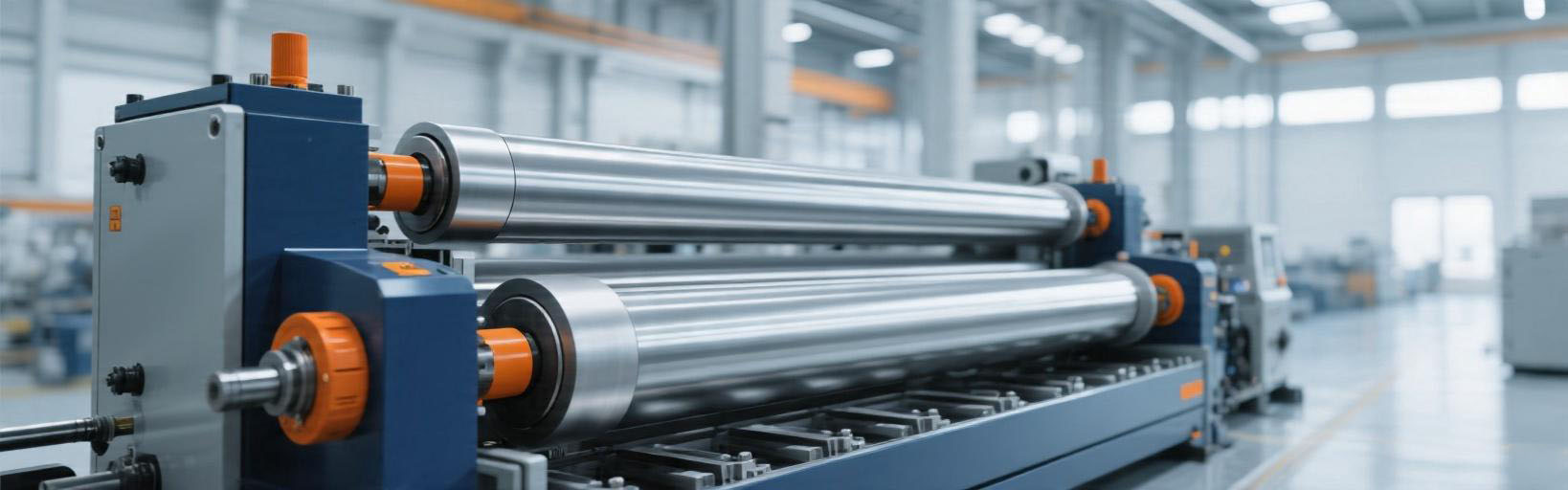
Roller and Shaft Quality: The durability of the machine depends on its construction. Look for rollers made of hardened steel like CR12MOV., and shafts made of 40Cr forged steel for long life and precision.
Flexibility: Some machines are designed to produce both the cable tray and its cover, which is a cost-effective and space-saving solution.
Safety: Ensure the machine complies with industrial safety standards and includes features like emergency stops, safety guards, and warning labels.
3. Which cable tray roll forming machine is Right for You?
The best cable tray roll forming machine depends on your production needs and budget. Here’s a simple guide based on common scenarios:
Small Workshops / Low Volume: A base model with manual adjustments and speeds around 10-15 m/min is a cost-effective choice for producing standard trays in thinner materials (e.g., up to 2mm).
Medium-Scale Operations: An advanced model with semi-automated features, higher speeds, and the ability to handle thicker materials (e.g., up to 2.5-3mm) offers a good balance of productivity and investment.
Large-Scale Manufacturers: A fully automated Pro model is the best fit. These machines feature high-speed forming (20+ m/min), automatic size changes, and can handle very thick materials for heavy-duty industrial tray.