Shelf Roll Forming Machine
Shelf Roll Forming Machine
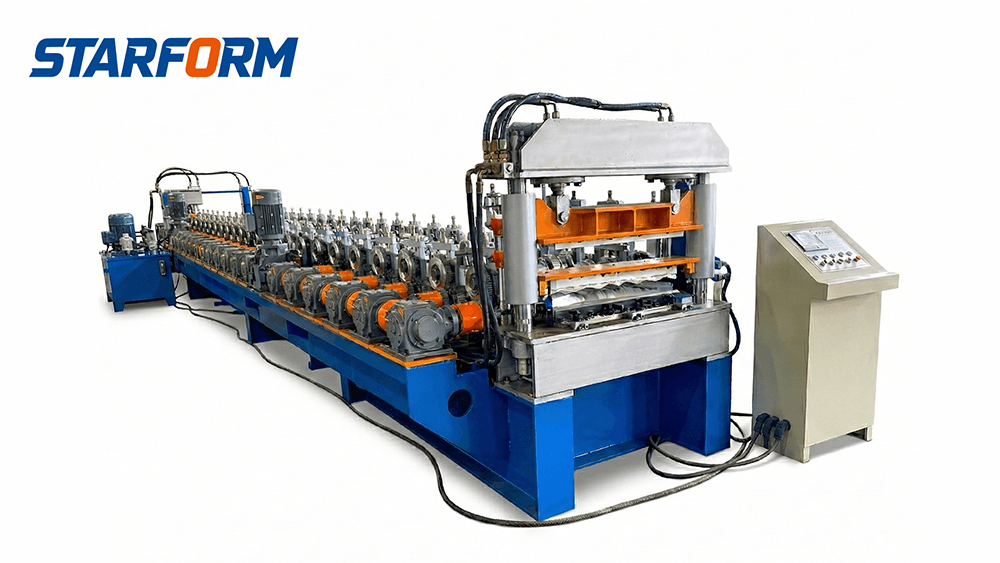

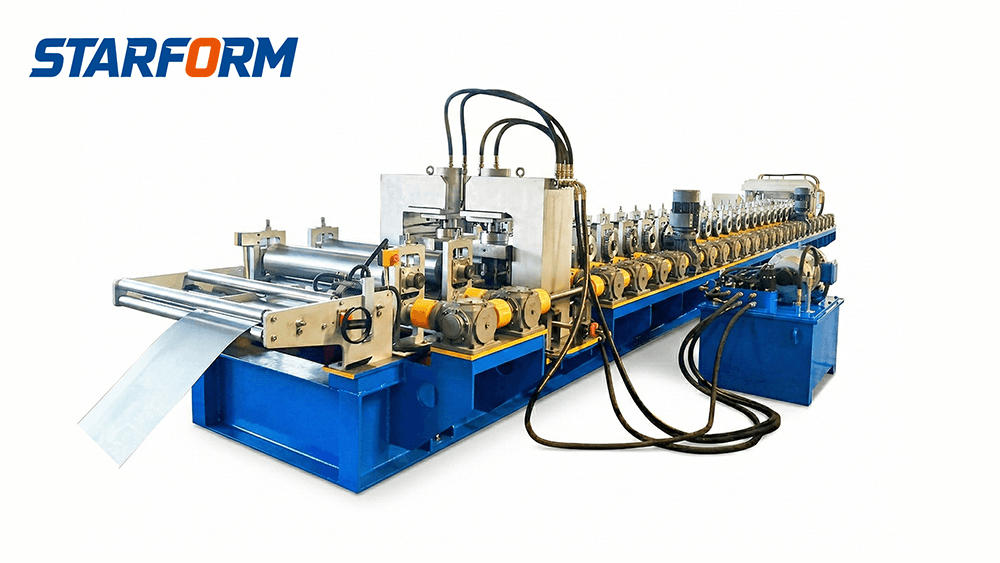
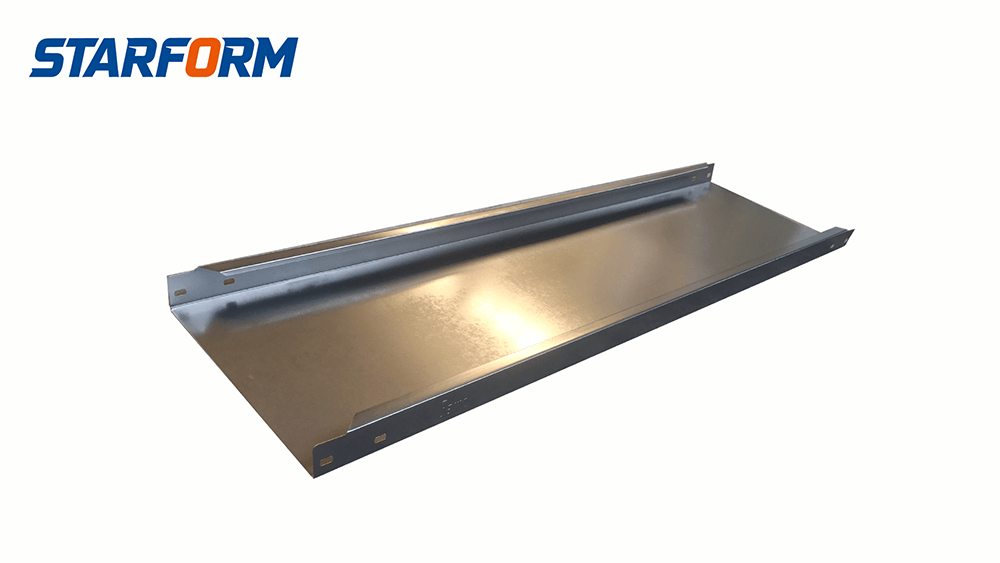
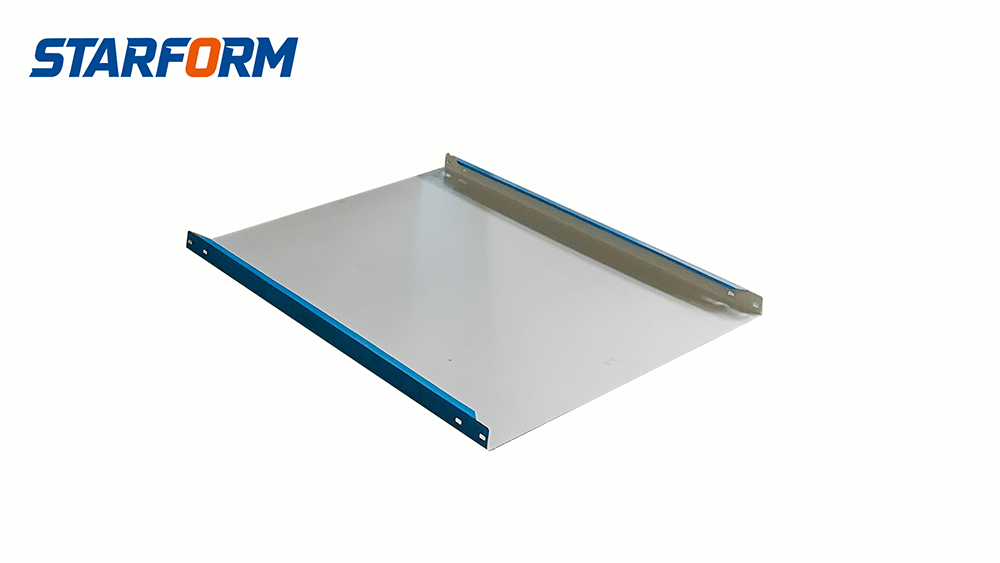
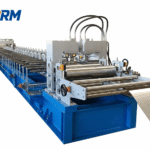
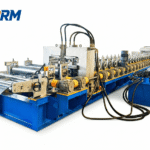
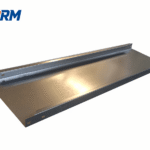
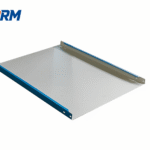
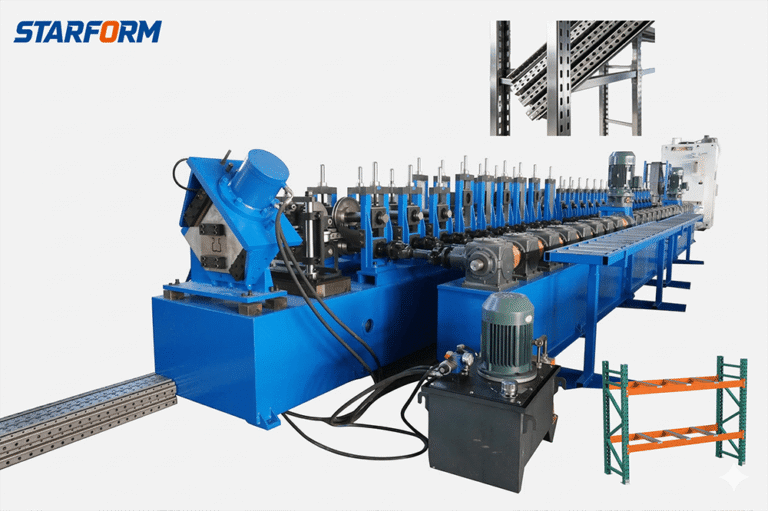
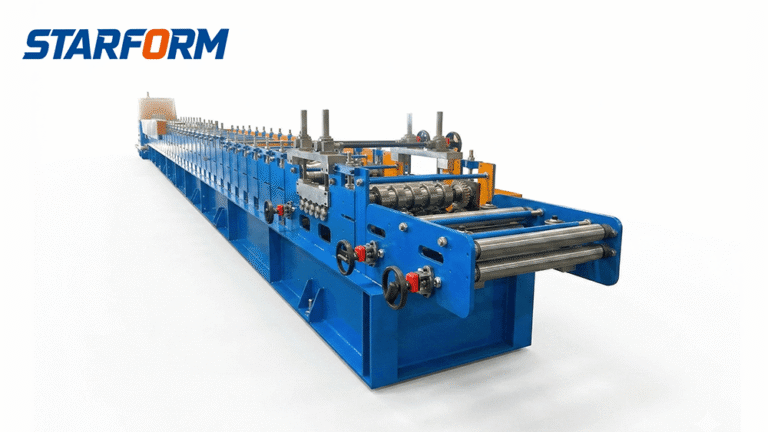
A shelf panel roll forming machine (also referred to as a shelving roll forming machine) is a fully automated production line designed to transform flat metal coils into finished shelf panels for a wide variety of storage applications. These machines are central to manufacturing components for industrial pallet racks, warehouse shelving, retail displays, and even heavy-duty storage systems.
Shelf panel roll forming machine
A shelf panel roll forming machine (also referred to as a shelving roll forming machine) is a fully automated production line designed to transform flat metal coils into finished shelf panels for a wide variety of storage applications. These machines are central to manufacturing components for industrial pallet racks, warehouse shelving, retail displays, and even heavy-duty storage systems.
Technical Parameters of shelf panel roll forming machine
| Material Thickness | Forming Stations | Production Speed |
| 0.6 mm – 2.0 mm | About 16 – 28 stations | 0 – 25 m/min |
| Roller Material | Control System | Cutting Tolerance |
| Cr12MoV / GCr15 | Mitsubishi PLC, Inverter, Screen | ±1 mm |
Machine details

Application
RFQ
1. Shelf Roll Forming Machine’s Production Process
The shelving roll forming machine integrates multiple fabrication steps into one continuous, efficient process. The production flow includes:
Uncoiling & Leveling: The process starts with a hydraulic or manual decoiler that holds and feeds the metal coil. A leveling system then flattens the strip to remove any coil curvature, ensuring a consistent base for accurate forming.
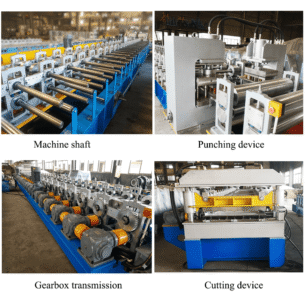
Punching & Notching: As the material feeds in, a hydraulic punching unit creates necessary holes, slots, and corner notches. This step is crucial for shelf assembly, allowing for riveting or other joining methods later.
Roll Forming: The pre-punched strip passes through a series of forming stations. Each station progressively bends the metal until the complete shelf panel profile is achieved.
Cutting & End-Forming: A servo-controlled or hydraulic flying saw cuts the continuous profile to precise lengths. Advanced machines can also perform “both ends double bending” or “four-corner clinching” at this stage, forming the final edges of the shelf panel.
Discharge: Finished panels are moved by a run-out table to a stacking area.
2. Key Features and Advantages
Modern shelf panel roll forming machines are designed for efficiency, precision, and flexibility. Key advantages include:
High Automation: Processes such as punching, roll forming, and cutting are completed automatically online, significantly reducing labor costs and production lead time.
Precision Engineering: With PLC control systems and servo motors, these machines achieve high accuracy and repeatability, ensuring consistent product quality.
Versatility: They can be customized to produce various profile sizes, thicknesses, and materials. Quick-change tooling or adjustable stations allow for different shelf designs on the same line.
Integrated Forming: The ability to combine punching, notching, edge bending, and even riveting/clinching within a single pass creates finished or near-finished parts ready for assembly.