Manual C Purlin Roll Forming Machine
Manual C Purlin Roll Forming Machine
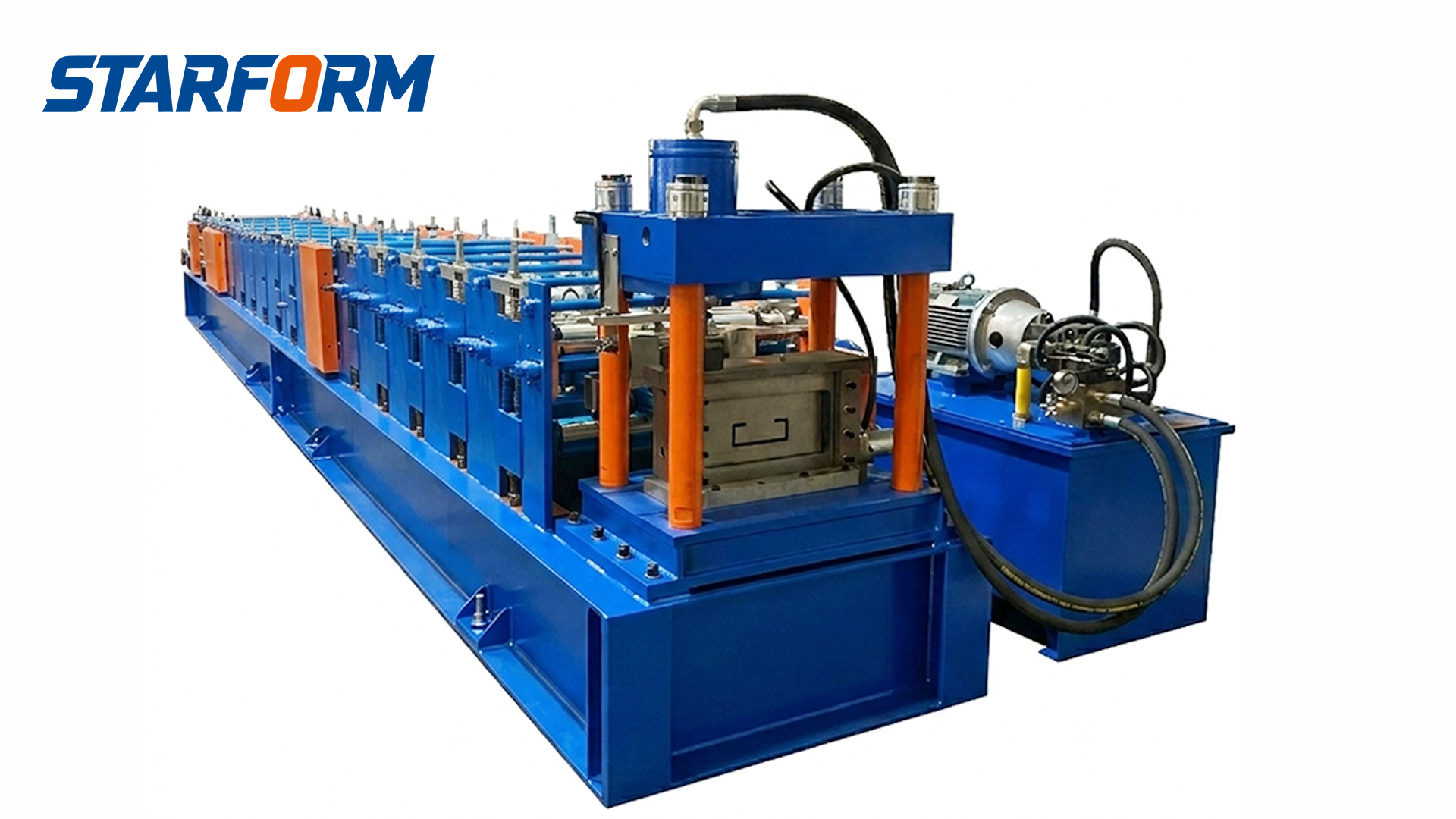
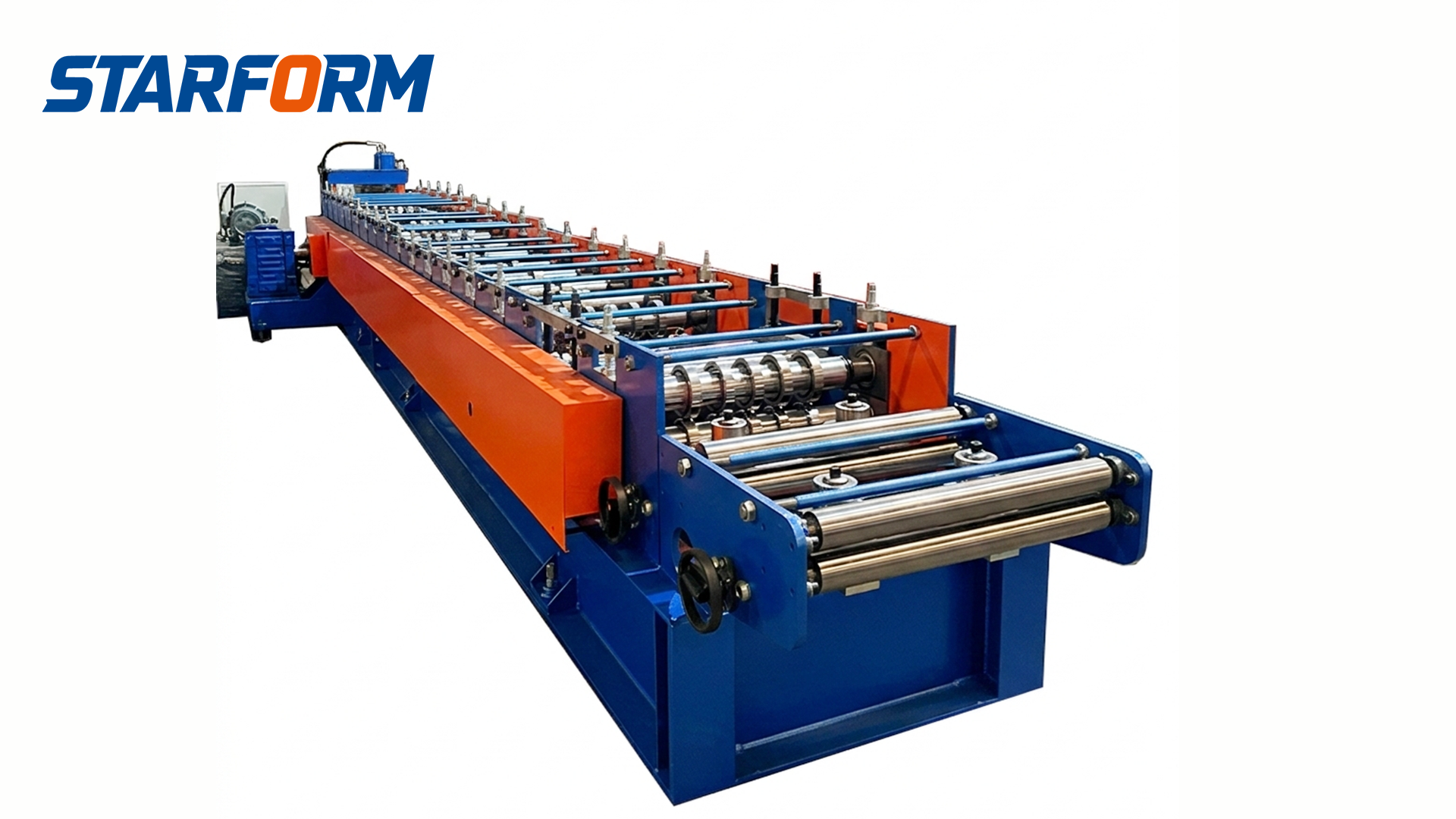
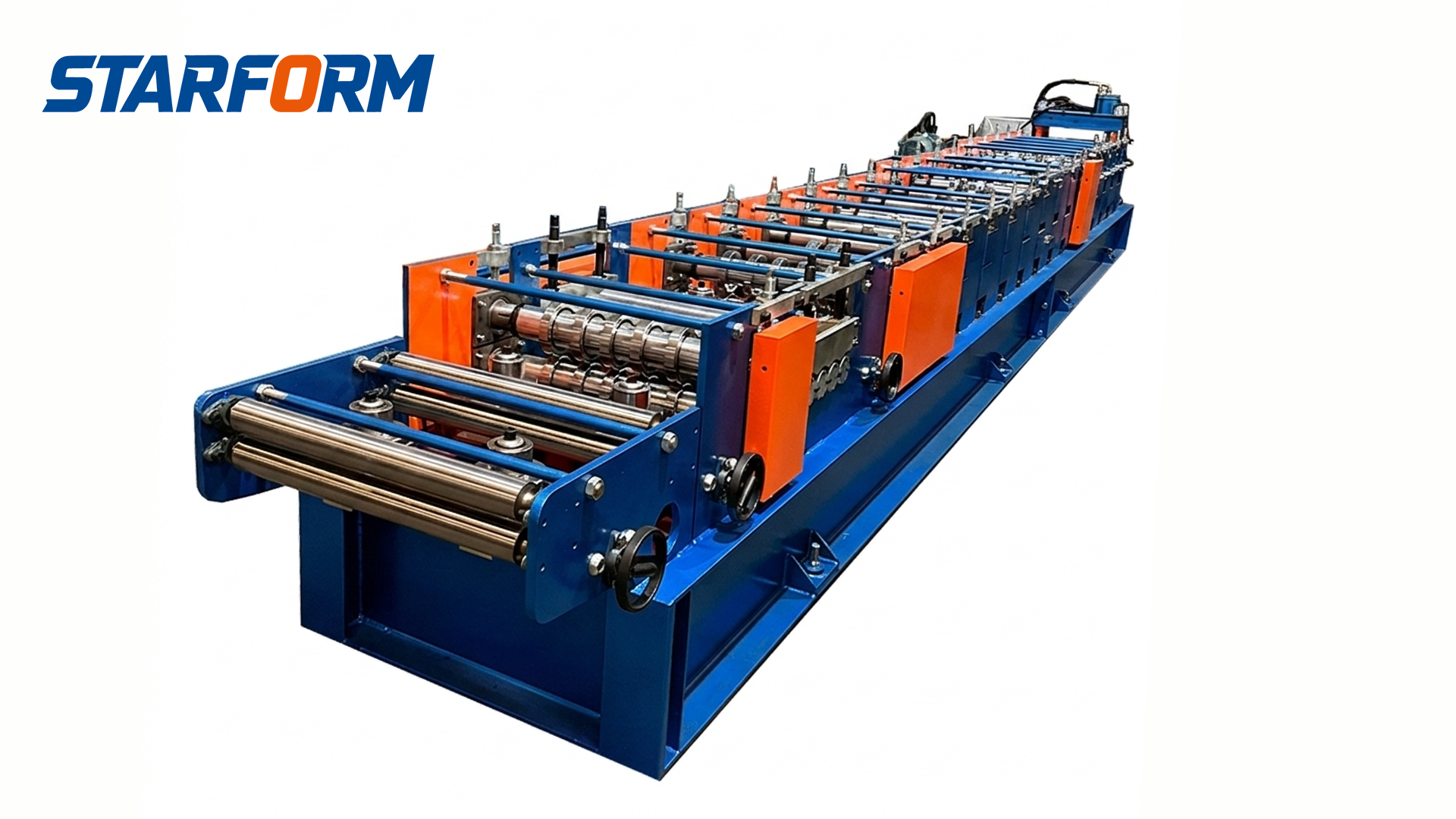

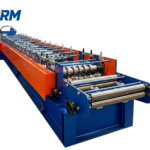

The term “manual” in a purlin roll forming machine primarily describes how the machine is adjusted to produce different sizes of purlins. It generally does not mean the entire production process is hands-on.
Manual purlin roll forming machine
What Does “Manual” Mean in This Context?
The term “manual” in a purlin roll forming machine primarily describes how the machine is adjusted to produce different sizes of purlins. It generally does not mean the entire production process is hands-on.
Manual Size Adjustment: To change the width or flange height of the purlin, an operator must manually adjust the forming stations. This is often done by turning handles (sometimes called “Turkey handles”) to move the roller stands or by changing spacers. This is in contrast to fully automatic machines that adjust size with the push of a button.
Automated Production: While size changes are manual, the actual production process is highly automated. Once set up, the machine feeds the steel coil, forms the profile, punches holes, and cuts the purlins to length automatically via a PLC control system.
Common Technical Specifications
The capabilities of these machines can vary, but here are typical specifications found in the market:
| Parameter | Typical Specification | Details / Notes |
| Material Thickness | 1.5 mm – 3.0 mm | Depending on the machine’s power and structure |
| Forming Speed | 8 – 15 meters per minute | Production speed range |
| Main Motor Power | 11 kW – 18.5 kW | Power required to drive the rollers |
| Roller Material | Cr12Mov | Heat-treated and chrome-plated for durability |
| Cutting Tolerance | ±1mm – ±2mm | Typical length accuracy |
Advantages of manual purlin roll forming machine:
Lower Cost: Generally more affordable than fully automatic, servo-controlled machines.
Simplicity: The mechanical adjustment system can be easier to understand and maintain.
Durability: With fewer complex electronic parts for size adjustment, they can be very robust.
Flexibility: They are highly effective for projects where only one or two sizes of purlins are needed per production run.
Disadvantages of manual purlin roll forming machine:
Changeover Time: Switching from one purlin size to another takes significantly longer and requires manual labor.
Labor Intensive: Requires a skilled operator to make precise manual adjustments.
Common Applications
These machines are a staple in the light steel frame industry. They are used to produce purlins for:
Factory buildings and warehouses.
Agricultural buildings like garages and hangars.
Steel buildings such as gyms, exhibition centers, and supermarkets.